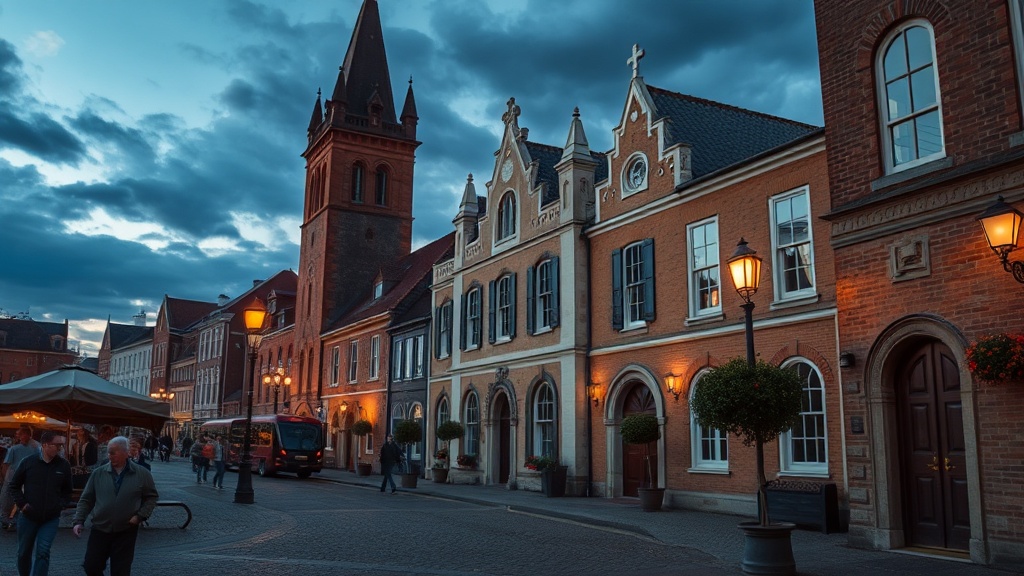
A Walk Through the Historic Streets of Goderich

Ever wondered why the streets of Goderich feel so much more intentional than your typical Ontario town? This guide breaks down the specific historic districts, architectural highlights, and walking routes that make our "Prettiest Town" so special. You'll find a breakdown of the best historical eras to spot, where to find the best views, and how to plan your walk without missing the small details that locals love.
Where is the best place to start a historic walking tour in Goderich?
The best place to start is the intersection of Market and Andrew Streets, right in the heart of the historic downtown core. This area serves as the anchor for the town's unique "octagonal" layout—a design that dates back to the early 19th century. Starting here allows you to see the transition from the commercial center to the residential streets that line the outskirts of the circle.
The layout of Goderich is quite distinct. Unlike most towns that follow a simple grid, our streets curve around a central point. It's a bit dizzying at first if you aren't used to it (don't worry, you'll get the hang of it), but it creates some of the most beautiful sightlines in Huron County. You can see the architecture from various angles as you move around the circle.
As you walk, keep an eye out for the different eras of construction. You'll see everything from mid-Victorian brickwork to more modern-looking structures that still respect the heritage aesthetic. It's a living museum, really.
Architectural Styles to Look For
When you're walking through the downtown area, you aren't just looking at old buildings; you're looking at pieces of history. Here are the styles you'll encounter most often:
- Georgian: Look for symmetrical windows and sturdy, classic proportions.
- Victorian: These often feature more ornate details, like gingerbread trim or decorative cornices.
- Italianate: You might spot these by the bracketed eaves and tall, narrow windows.
- Federal: A much simpler, more understated style that was common in early Ontario settlements.
It's fascinating to see how these styles have persisted. Many of the local businesses even maintain their original facades to keep that classic look intact. It's a big part of why people flock here during the summer months.
How much time should you spend exploring the historic districts?
You should set aside at least two to three hours for a thorough walk through the historic districts to truly appreciate the details. If you're looking to include a stop for coffee or a light lunch, plan for a half-day excursion. This allows you to wander without feeling rushed by the clock.
If you're a photographer, you might want even more time. The way the light hits the old brick buildings in the late afternoon is something else. I've seen people spend an entire afternoon just trying to capture the perfect shot of the street corners. If you want to see the best of the town, you might also want to check out the top things to do in Goderich to see how the history ties into our local activities.
Here is a quick breakdown of how to structure your time:
| Activity Phase | Estimated Time | Focus Area |
|---|---|---|
| The Downtown Circle | 45 Minutes | Commercial architecture and street life |
| Residential Side Streets | 60 Minutes | Victorian homes and garden details |
| Harbour & Waterfront | 30 Minutes | Maritime history and views |
What are the must-see historical landmarks in Goderich?
The most iconic landmarks are the historic buildings surrounding the central circle and the proximity to the Maitland River. The river itself is a massive part of our identity. The way the water meets the lake creates a sense of history that feels very much like an old-world port town.
One of the most striking things is the sheer number of well-preserved homes. Many of these properties are listed on the Ontario Heritage Trust registries. This isn't just for show; it's a genuine effort by the community to preserve our roots. You'll notice the care taken in the stone masonry and the original window frames on many of the older residences.
Don't forget to look toward the water. The history of the town is deeply tied to the shipping and fishing industries. Even if you aren't a history buff, the view of the lake from the historic streets is enough to make anyone stop in their tracks. It's a great way to transition from a town walk to finding the best sunset spots along the coast later in the evening.
One thing to note: some of the older buildings are private residences. While they are beautiful to look at, please be respectful of the people living in them. A quick glance is fine, but keep the walking paths to the public sidewalks.
The history here isn't just in the books; it's in the very pavement. The way the streets curve and the way the buildings are positioned tells the story of a town that was built with a specific vision in mind. It's a vision that still holds up today, even with all the modern amenities we've added over the years.
If you find yourself near the water, the lighthouse and the surrounding park areas offer a different kind of historical perspective. It's a more rugged, maritime history compared to the polished-looking Victorian streets of the downtown core. It's a nice contrast. You get the elegance of the town and the grit of the lake all in one afternoon.
The weather can change quickly around here, so I'd suggest checking a local forecast before you head out. There's nothing worse than being halfway through a beautiful walk and getting caught in a sudden Lake Huron squall. A light jacket is always a smart move, even if the sun is out when you start.
Whether you're a local or just visiting for the weekend, there's always something new to see. The details are in the small things—the texture of the brick, the shape of a window, or the way a street curves out of sight. That's the real magic of a walk through Goderich.