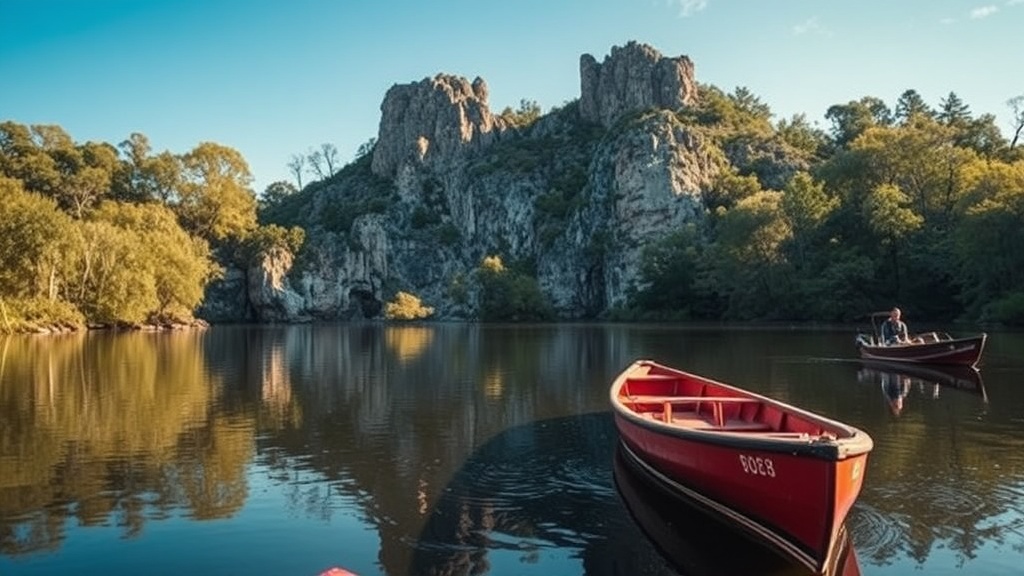
Exploring the Hidden Treasures of the Maitland River

Imagine you’re standing near the mouth of the Maitland River, watching a Great Blue Heron stand perfectly still in the reeds while the morning mist lifts off the water. Most people driving through Huron County only see the Maitland as a backdrop for the bridge or a boundary for the town, but there is much more to see if you know where to look. This guide breaks down the best spots for birdwatching, the best trails for a quiet walk, and how to respect the local ecosystem so these spots stay pristine for everyone.
The Maitland River isn't just a waterway; it’s a living, breathing part of the Goderich-Huron County ecosystem. It provides a vital corridor for wildlife moving toward Lake Huron and serves as a peaceful escape for locals needing a break from the daily grind. We're looking at the river from the town center out toward the mouth, focusing on the natural areas that aren't always highlighted on a standard tourist map.
Where are the best walking trails along the Maitland River?
The best walking trails are found primarily along the riverbanks near Chappell Park and the interconnected paths that lead toward the water's edge. These paths are generally well-maintained, though they can get a bit muddy after a heavy spring rain (so leave the white sneakers at home for a day).
For those who want a more rugged experience, the areas near the river's mouth offer a more natural, unpaved feel. You'll find that the terrain changes quickly from the manicured grass of the park to the more wild, brush-heavy areas that define the river's natural state. If you're looking for a stroll that feels more like a hike, head toward the sections where the vegetation thickens.
Here is a quick breakdown of what to expect from different sections of the river walk:
| Section | Terrain Type | Best For | Difficulty |
|---|---|---|---|
| Chappell Park Area | Manicured Grass/Paved | Families and Picnics | Easy |
| Riverbank Paths | Gravel/Dirt | Nature Observation | Moderate |
| Mouth/Estuary Area | Natural/Uneven | Photography/Birding | Moderate/Hard |
If you are planning to spend a few hours out here, you might want to check out planning a perfect picnic at Chappell Park to ensure you have the right gear for a relaxing afternoon by the water.
What wildlife can you see near the Maitland?
You can see a variety of migratory birds, small mammals, and aquatic life throughout the seasons, depending on the time of year. The Maitland serves as a critical stopover for birds traveling through the Atlantic and Mississippi flyways.
During the spring and fall, the bird populations swell. You'll often see Great Blue Herons, which are a local staple, standing motionless in the shallows. Keep your eyes peeled for Bald Eagles—they have been spotted in the Huron County area more frequently in recent years. It's a thrill to see one soar over the tree line near the river mouth.
Beyond the birds, the river is home to:
- Mammals: White-tailed deer are common near the wooded-river edges, and you'll often see muskrats near the reeds.
- Fish: Depending on the season, the river supports various species that eventually move into Lake Huron.
- Amphibians: In the wetter, more shaded sections, you'll find various frogs and salamanders.
It is worth noting that much of this wildlife is quite shy. If you bring a pair of binoculars or a decent camera lens, you'll have a much better chance of capturing a shot without spooking the locals. The Maitland River ecosystem is delicate, so observing from a distance is always the best policy.
A Note on Seasonal Changes
The river looks entirely different in July than it does in January. In the summer, the river is a lush, green corridor filled with the sounds of insects and birds. In the winter, the river becomes a quiet, stark landscape of ice and frost. If you're an avid photographer, both seasons offer a unique aesthetic—one of growth and one of stillness.
How can you help protect the Maitland River ecosystem?
The best way to protect the river is to practice "Leave No Trace" principles and stay on designated paths to prevent erosion. The riverbanks are susceptible to being worn down by foot traffic, especially when the ground is soft.
Many people don't realize how much a single piece of litter can impact the local water quality. Even small things like a discarded snack wrapper can end up in the water and affect the fish and birds we love to see. If you're out exploring, please bring a small trash bag with you. It's a simple habit that makes a massive difference for our local environment.
Quick Tips for Responsible Visiting:
- Stay on the path: Avoid trampling the riverbank vegetation.
- Pack it in, pack it out: Never leave trash behind, even if it's "biodegradable" like an apple core.
- Keep dogs on a leash: This protects both the wildlife and other walkers.
- Observe quietly: High volumes of noise can stress out the nesting birds.
If you're a fan of the outdoors, you might also enjoy finding the best sunset spots along the HST Heritage Coast, as the river views often pair beautifully with a sunset over the lake.
What gear should I bring for a river walk?
The right gear depends entirely on the weather, but since Ontario weather is famously unpredictable, layering is your best friend. You don't want to be caught in a sudden downpour or a chilly breeze coming off Lake Huron.
I always recommend a sturdy pair of walking shoes—something with a bit of grip if you're heading toward the more natural sections. If you're a serious birdwatcher, a lightweight pair of binoculars is a must. For the more casual walker, a simple camera or even just a good pair of eyes is plenty.
If you're planning to sit and watch the water, a lightweight folding stool or a waterproof sit-pad can be a lifesaver. There is nothing quite like sitting by the Maitland for an hour, but the ground isn't always the friendliest place to sit. If you're heading out in the cooler months, a high-quality jacket like a Patagonia or a North Face shell will keep the wind off you while you're near the open water.
The river is a place for connection—to nature, to the local landscape, and to a slower pace of life. Whether you're a lifelong resident or just passing through, take a moment to appreciate the Maitland. It's a part of what makes Goderich such a special place to live.